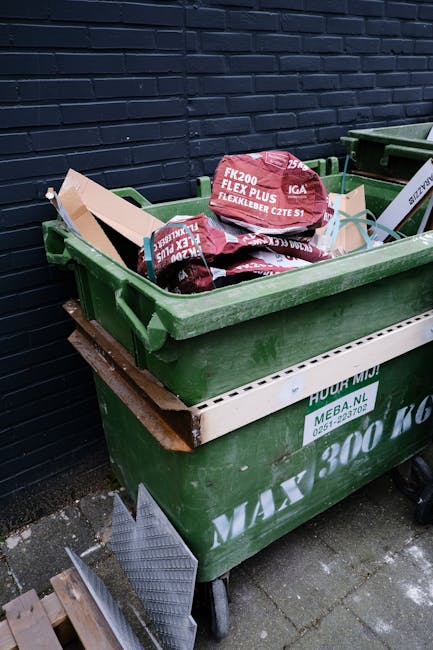
Haringey Council rules on bulky waste collection in Hornsey
If you live in Hornsey and you've got an old mattress, broken wardrobe, worn-out sofa, or a pile of awkward bits taking over the hallway, Haringey Council rules on bulky waste collection in Hornsey are probably exactly what you need to understand. The process sounds simple enough on paper, but in real life people often get caught out by booking rules, item limits, what counts as bulky waste, and what happens if you leave things out at the wrong time. This guide breaks it all down in plain English, so you can decide the cleanest, quickest, and most sensible way to get rid of large household items without stress.
We'll cover how bulky waste collection typically works, why the rules matter, what you can and cannot put out, the mistakes that cause delays, and when a private clearance service may be the better option. If you want a broader waste-removal service after clearing a flat, house, loft, or garage, you may also find it useful to look at the site's general waste removal service and related clearance options such as furniture clearance, house clearance, and flat clearance.
Table of Contents
- Why Haringey Council rules on bulky waste collection in Hornsey Matters
- How Haringey Council rules on bulky waste collection in Hornsey Works
- Key Benefits and Practical Advantages
- Who This Is For and When It Makes Sense
- Step-by-Step Guidance
- Expert Tips for Better Results
- Common Mistakes to Avoid
- Tools, Resources and Recommendations
- Law, Compliance, Standards, or Best Practice
- Options, Methods, or Comparison Table
- Case Study or Real-World Example
- Practical Checklist
- Conclusion
- Frequently Asked Questions
Why Haringey Council rules on bulky waste collection in Hornsey Matters
Bulky waste is one of those household jobs that looks harmless until it's halfway down the stairs. A small pile becomes two piles. A chair becomes a chair plus cushions, screws, a loose leg, and a weirdly heavy panel that never fitted anywhere in the first place. That is exactly why local rules matter. They keep collections safe, help crews work efficiently, and reduce the chance of items being left on the pavement for days.
In Hornsey, the practical reality is that people need a reliable way to dispose of larger items without causing obstruction, upsetting neighbours, or risking a missed collection. Rules exist to make sure bulky waste is presented properly and collected in a way that fits local capacity. If you ignore them, you may end up waiting longer, paying twice, or having your items refused. Nobody wants that. Especially not when the flat is already full of boxes and the kettle's gone cold.
There's also a wider reason this topic matters: responsible disposal helps encourage reuse and recycling where possible. Large items often contain wood, metal, textiles, and mixed materials. If they're handled properly, more of that can be separated and sent the right way. That is one reason many residents choose services that emphasise careful sorting and recycling and sustainability as part of the job, rather than treating every item like a lump of rubbish.
How Haringey Council rules on bulky waste collection in Hornsey Works
While specific council arrangements can change, bulky waste collection in Hornsey usually follows a familiar pattern used by many London boroughs. You identify the items, check what is accepted, arrange a collection in line with the council's process, and present the waste correctly for pickup. Simple enough in theory. The tricky bit is always the details.
Bulky waste generally means large household items that are too big for normal bins. Think beds, wardrobes, drawers, tables, sofas, carpets in manageable lengths, and similar items. But not everything big is automatically accepted. Some items can be excluded, subject to different handling rules, or require special treatment. Fridges, freezers, TVs, electricals, and hazardous materials often need separate handling. It is always worth checking the current council guidance before assuming something will be taken.
As a rule of thumb, councils expect items to be safe to lift, ready at the agreed place and time, and not mixed with rubbish bags or loose debris unless that is clearly allowed. If the collection is missed because the items were not presented correctly, the council may treat it as a failed collection rather than a new one. That's annoying, but it happens a lot more than people think.
In some homes, especially in older Hornsey terraces and converted flats, the practical challenge is access rather than the waste itself. Narrow hallways, shared entrances, and parking restrictions can make a straightforward item look like a mini logistics project. In those situations, a private service can be more flexible. For example, if you are clearing multiple rooms after a move or renovation, home clearance or loft clearance may be more suitable than arranging item-by-item bulky waste pickup.
Key Benefits and Practical Advantages
When bulky waste is handled properly, the benefits go beyond just getting things out of the way. First, you free up space. That sounds obvious, but anyone who has lived with a broken sofa in the corner for three months knows it can affect the feel of a whole room. Once the item is gone, the room breathes again. You notice it at 7 a.m. with a cup of tea and, oddly enough, that feels like a fresh start.
Second, you reduce safety risks. Old furniture can have sharp edges, splintered wood, unstable frames, and dust that builds up in corners. In shared properties, bulky items left in communal areas can become trip hazards or block access routes. In homes with children or older residents, that matters even more.
Third, proper disposal supports better environmental outcomes. Reusable items may be diverted for another use, while recyclable components are separated where possible. Even when the item cannot be reused, responsible sorting gives it a better chance of being processed efficiently. That is a quiet but important win.
Here is a practical summary box for quick decision-making:
Expert summary: If you have one or two suitable household items, council bulky waste collection may be enough. If you have several heavy items, awkward access, tight timing, or mixed waste, a private clearance service is often easier and less disruptive.
Who This Is For and When It Makes Sense
This topic is relevant to a lot more people than you might expect. Tenants moving out of a flat, homeowners replacing furniture, landlords clearing a property between lets, and families tidying up after a long-overdue declutter all run into the same issue: what is the easiest, most compliant way to remove bulky items?
It also makes sense for people dealing with one-off life events. A bereavement, a house sale, a move to a smaller place, or a long weekend of "right, let's finally sort the garage" can all create more bulky waste than expected. Once the pile starts to grow, you need a plan, not just a van-sized hope.
For businesses, the situation is different again. Office furniture, filing units, desks, shelving, and old stock may not fall under household bulky waste rules at all. In those cases, a dedicated office clearance or business waste removal solution is usually the safer route. And if the waste comes from renovations or strip-out work, builders waste clearance may be the relevant service instead.
Step-by-Step Guidance
If you want to keep the process calm and avoid mistakes, work through it in order.
- Identify every item clearly. Make a list of what needs to go. Separate furniture, electricals, textiles, and anything that might need special handling.
- Check whether the item is accepted. Not all councils treat every bulky item the same way. Some items may be restricted, charged differently, or excluded altogether.
- Measure large items. Doorways, stairs, and shared access points matter. A wardrobe that fits in the room can still be a nightmare on the way out.
- Decide whether council collection or private clearance is better. If you only have a small number of items and time is on your side, the council route may work well. If the job is bigger, a private service may save effort.
- Prepare the items correctly. Follow the presentation instructions carefully. Do not scatter parts around the street or leave items where they block access.
- Keep an eye on timing. Put the waste out only when instructed. Overnight dumping can attract complaints, and in some cases the collection may be refused.
- Confirm what happens after pickup. If you are using a private clearance company, ask how items will be sorted, recycled, or disposed of.
That sounds like a lot on paper, but once you do it once, the logic becomes clear. The actual job is usually easier than the anxiety before it. Funny how that works.
If the clearance includes furniture that is still in decent condition, it can sometimes be better to separate items for reuse, donation, or resale before booking disposal. A matching dining set, for example, might be worth keeping together rather than breaking it up immediately. The same logic often applies to items handled through furniture disposal or furniture clearance, where condition and access both influence the most practical route.
Expert Tips for Better Results
Here's the kind of advice that saves headaches later.
First, group items by type. Mixing furniture, electricals, and garden debris in one unplanned heap makes it harder to assess what needs special treatment. A little sorting at the start can save a surprisingly large amount of time.
Second, check access before the collection day. If the lift is out, the parking bay is blocked, or the item has to be carried through a tight shared stairwell, the whole job changes. I've seen a simple two-item pickup become a proper domino of delays because nobody checked the route first.
Third, take photos if you are unsure. It helps when comparing options or explaining the items to a clearance team. One clear photo is often more useful than a paragraph of description. Honestly, sometimes it's worth more than a whole phone call.
Fourth, think about the weather and timing. A rainy evening and a bulky mattress on a narrow pavement is not a lovely combination. If the collection requires items to be left outside, plan for dry conditions where possible and keep things tidy.
Fifth, get the paperwork and expectations clear. If you're using a private company, read the service terms, payment terms, and safety information before booking. Pages like terms and conditions, payment and security, and insurance and safety are worth a quick look. Not glamorous, but useful.
Common Mistakes to Avoid
The most common mistake is assuming "bulky waste" means "anything too big for a black bag." It doesn't. People often include items that need special handling, or they try to mix general rubbish with bulky items in the hope that someone will sort it later. That can backfire fast.
Another frequent issue is leaving items out too early or too late. The rules around presentation are there for a reason. If you put waste out the night before when you were told not to, you may create an obstruction or annoy neighbours. If you miss the collection window, you may need to start again. No one enjoys that part.
People also underestimate how heavy or awkward bulky waste can be. A wardrobe that looks light enough on its own can be a different beast once you reach the stairs, especially in older Hornsey properties where corners are tight and landings are narrow. That is where rushed lifting causes damage to walls, hands, or the item itself.
Finally, one subtle mistake is not planning for the end of the job. If you remove the large item but leave a trail of screws, carpet offcuts, and packaging, the room still feels unfinished. That's why many residents pair bulky item removal with a fuller sort-out, such as a garage clearance or loft clearance, so the space is actually reset rather than just emptied.
Tools, Resources and Recommendations
You do not need a toolkit the size of a small hardware shop, but a few basics help.
- Measuring tape: useful for checking whether furniture can get through doors and stairwells.
- Marker pen or labels: helps separate accepted items from anything being kept, donated, or sold.
- Strong gloves: especially if you are handling splintered wood, sharp metal edges, or dusty loft items.
- Phone camera: handy for photos, access notes, and confirming item condition.
- Protective floor coverings: useful if you are moving items through finished floors or communal spaces.
For people wanting a broader tidy-up, a combined service can be easier than dealing with one collection route at a time. For example, a home packed with old furniture, broken storage, and a few garden bits might be simpler to handle through home clearance plus a targeted garden clearance. If the property is especially cluttered, the bigger picture matters more than the individual item list.
It is also sensible to check the company's public information pages before booking. Things like about us, pricing and quotes, recycling and sustainability, and complaints procedure help you judge how transparent and organised the service is. That matters more than people admit.
Law, Compliance, Standards, or Best Practice
When discussing council bulky waste rules, the safest approach is to stick to the general principles of lawful waste handling rather than guessing exact local thresholds. In the UK, waste should be managed responsibly, not fly-tipped, and not left where it could cause obstruction or danger. That much is straightforward. If an item contains electrical parts, refrigerants, or potentially hazardous materials, it may fall into a different category and require separate treatment.
Best practice is simple: keep waste identifiable, keep it separated where needed, and use a legitimate collection route. If you are using a private provider, check that they explain how items are handled and what happens to reusable or recyclable materials. That is where responsible operations really show up, even if it's behind the scenes.
In shared blocks and managed buildings, there can also be building-level rules on common areas, lift use, and storage before collection. Those rules are not the same as council rules, but they matter just as much. A collection that breaks the building's access rules can cause complaints long before the van arrives. It sounds a bit fussy, but that's life in London flats, isn't it?
For business premises, the expectations are higher again. Records, duty of care, and proper separation of waste streams are part of normal good practice. If your situation is commercial rather than domestic, it makes sense to use a service built around business premises and scheduled collection, such as business waste removal or office clearance.
Options, Methods, or Comparison Table
There are usually three sensible routes for bulky waste in Hornsey: council bulky item collection, self-removal, or a private clearance company. Each has its place.
| Option | Best for | Pros | Trade-offs |
|---|---|---|---|
| Council bulky waste collection | One-off household items and lower-volume clearances | Simple for eligible items, local and familiar | May have item limits, timing rules, and restrictions |
| Self-removal to a reuse or disposal point | People with transport and time | Direct control, flexible timing | Heavy lifting, vehicle costs, and your own labour |
| Private clearance service | Mixed loads, awkward access, larger clearances, urgent jobs | Convenient, flexible, can handle more complex jobs | Usually costs more than a council option |
In practice, the "best" choice depends on the shape of the job. One mattress and a small table? Council collection might do the job. A third-floor flat with a broken wardrobe, three bags of soft furnishings, and a deadline before the tenancy ends? That's more likely to suit a full clearance route. You can compare service styles alongside flat clearance, house clearance, and furniture clearance to see what matches your situation.
Case Study or Real-World Example
Picture a Hornsey resident clearing a two-bedroom flat after a move. There is a sofa that has seen better days, a dining table with one loose leg, an old chest of drawers, and a carpet roll in the spare room. At first glance, it looks like a straightforward bulky waste job. But then reality shows up: the stairs are narrow, the lift is tiny, and the communal entrance has a strict no-obstruction rule.
In that situation, the resident has two choices. They can split the job into several smaller steps and wait for the council route where eligible, or they can book a private clearance service that can remove the items in one visit. After checking access, timing, and the condition of the items, they decide on a clearance service because the tenancy end date is close and the items need careful lifting.
The interesting part is what happened next. Once the large furniture was out, the resident realised the room still held packaging, a broken lamp, and several bags of forgotten bits from the back of the wardrobe. So the original "bulky waste" task turned into a more complete sort-out. That is very common. One job leads to another. Not in a bad way, just in a real-life way.
This is exactly where a broader service can make sense, particularly if you are also dealing with loft items, garage clutter, or a full property tidy. It saves time, reduces repeated handling, and often feels less stressful than chasing multiple collection dates.
Practical Checklist
Use this before you book or put anything out for collection.
- Identify every bulky item clearly.
- Check whether the item is accepted under the relevant collection route.
- Measure the item and the access route.
- Separate furniture, electricals, and other special items.
- Confirm where items should be left and when.
- Keep communal areas clear and safe.
- Read service terms if using a private provider.
- Ask about recycling, reuse, and disposal handling.
- Make sure someone is available on collection day if needed.
- Take a final look around for screws, packaging, and small parts.
If you are clearing more than one room, it can help to combine the work into a single plan rather than dealing with each item as it appears. That tends to be calmer, and a lot less faff.
Conclusion
Haringey Council rules on bulky waste collection in Hornsey are mainly about making large-item disposal safe, orderly, and manageable. The more clearly you understand what counts as bulky waste, how items need to be presented, and when a different clearance route is the better option, the smoother the whole job becomes. For some people, the council service is perfectly adequate. For others, especially where access is awkward or the load is mixed, a private clearance service is the more practical answer.
The key is not to wait until the hallway is full and the deadline is tomorrow. A little planning goes a long way. Measure first, sort second, and choose the route that fits the reality of your home or property. That small bit of effort saves a surprising amount of stress later on.
Get a free quote today and see how much you can save.
And if all you want is one less thing to think about this week, that is completely fair. Sometimes clearing the clutter is really about getting your space, and your head, back to normal.
Frequently Asked Questions
What counts as bulky waste in Hornsey?
Bulky waste usually means large household items that will not fit into normal bins, such as sofas, wardrobes, beds, tables, and similar items. Some items may need special handling, so it is worth checking before you book.
Can I leave bulky waste outside my home in Hornsey?
Only if the collection instructions say you can. Leaving items out too early can cause obstruction or complaints, and in some cases the collection may be refused. Follow the timing and placement rules carefully.
Does the council take electrical items with bulky waste?
Not always. Electrical items often fall under different handling rules, especially anything with plugs, batteries, refrigerants, or internal components. Check the current collection guidance before assuming they will be accepted.
How many items can I put out for bulky collection?
The number of items allowed can depend on the council's current policy and the type of items involved. It is safer to confirm the limit in advance rather than guessing and hoping for the best.
Is bulky waste collection better than hiring a private clearance service?
It depends on the job. For a small number of suitable household items, council collection may be fine. For mixed loads, awkward access, larger clearances, or tighter deadlines, a private service is often more convenient.
What should I do if my bulky waste collection is missed?
First, check whether the items were presented correctly and whether the access route was clear. If everything was in place and the collection still did not happen, contact the relevant service provider and explain what happened.
Can I put broken furniture out with bulky waste?
Usually yes, if it is the right type of item and it meets the collection conditions. Very damaged items can be harder to move safely, so make sure sharp edges, loose parts, and splinters are managed properly.
Do I need to dismantle furniture before collection?
Sometimes dismantling makes sense, especially for oversized wardrobes, bed frames, and other awkward pieces. If dismantling makes the item safer and easier to remove, it is often worth the effort.
What happens to bulky waste after it is collected?
That depends on the collection route. Some items may be reused or recycled, while others are processed for disposal. Responsible handling aims to separate materials where possible rather than sending everything the same way.
Is there a difference between bulky waste and general household rubbish?
Yes. General household rubbish is typically collected through normal bin services, while bulky waste covers large items that need a separate collection or special handling. Mixing the two can create problems.
Can landlords use bulky waste collection for end-of-tenancy clearances?
They can sometimes use it for individual items, but larger end-of-tenancy jobs are often better handled through a more complete clearance service. That is especially true when furniture, bags, and leftovers are all involved.
Where can I find a more complete clearance option if bulky waste is only part of the job?
If you are clearing a whole property or several rooms, it can be more practical to use a service such as house clearance, home clearance, or garage clearance, depending on what needs to go.